 Eleanor Gillespie
Do you know what a rock detective is? A rock detective is a geologist.
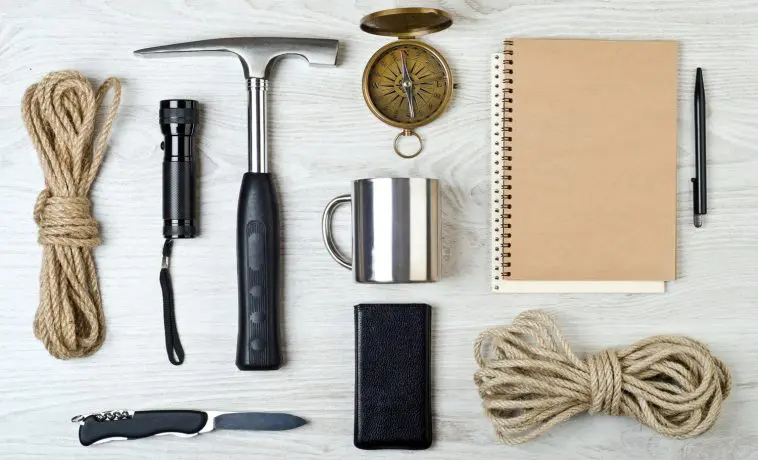
A geologist is a scientist who studies rocks, minerals, and the physical features of the Earth using various tools. The basic tools used to collect and study rocks and minerals include a backpack, a rock hammer, safety glasses, a magnifying lens, and tools for gathering, locating, and identifying rocks and minerals. Why so many tools? They are tools of the trade that have proven useful and been used by many generations of rock detectives.
A backpack is useful for carrying tools and other items, and for collecting the minerals and rocks. It is like a tool bag for collecting. One of the most important things to carry is a map and a compass. These are used to help find a location where you want to search or to record where the rocks and minerals are collected. Today, many use GPS coordinates, but a good map is often still useful as cell phone service is not available in remote locations.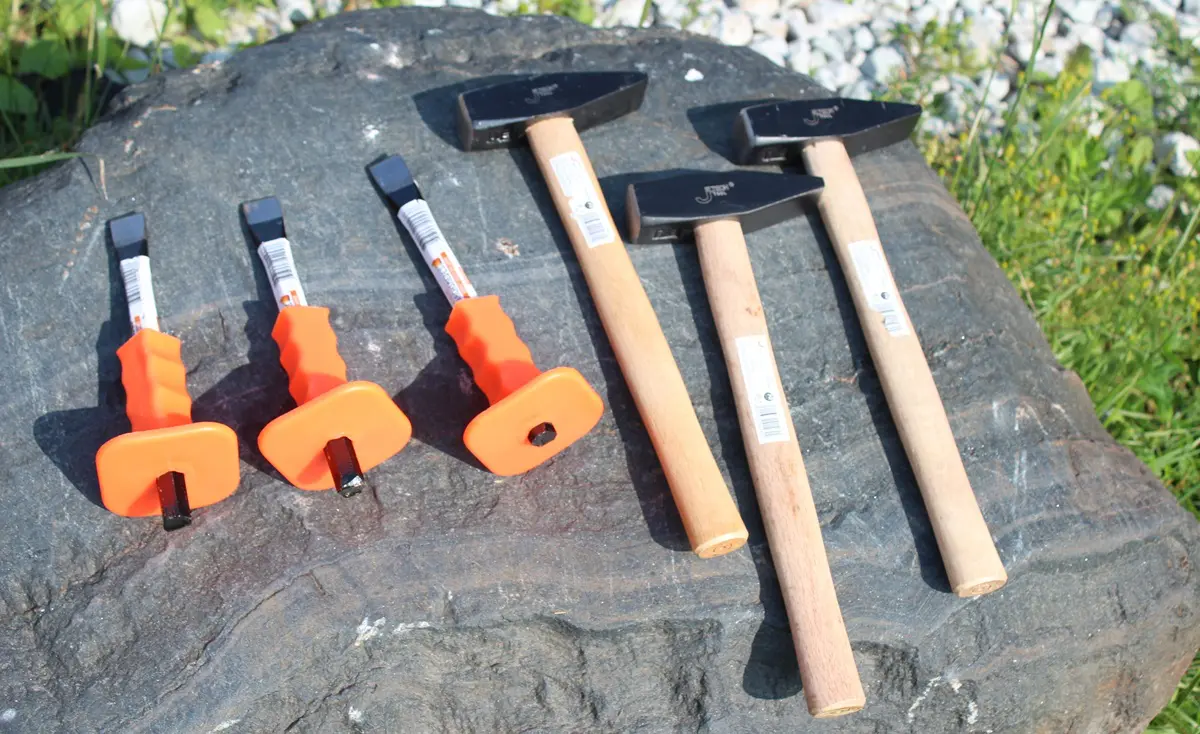

A rock hammer and chisels of different sizes are common tools used to collect rocks. A rock hammer combined with a chisel can be used to either break the rock samples into smaller pieces or break them apart. Whenever using a rock hammer, it is important to wear safety glasses or goggles to protect the eyes from flying rock chips.
A very important tool for a rock detective is a notebook, along with a pencil to keep track of where the rocks or minerals were collected. Rock detectives often will write a description or draw a picture of where the specimen was collected. A notebook can also be used to write down anything that was learned about the rock and the area it was collected from.
A magnifying lens is used to magnify the mineral to get a closer look at a specimen and see if any of the minerals can be quickly identified. Some minerals, with practice, can be quickly identified by just looking at them. Other minerals will require additional tools for identification.
Many tools that can be used to test a mineral for identification. These include: a nail, fingernail, other minerals, a glass plate, a magnet, and a streak plate. A nail, fingernail, glass plate, or other minerals can be used to determine how hard a mineral may be. A magnet can help quickly determine if a mineral is magnetite because it is one of the very few minerals that a magnet is attracted to. A streak plate can be used to determine what color streak a mineral leaves behind when it is rubbed against it. When these characteristics are put together, they can be used to determine what type of mineral it is.
Sometimes, old newspapers, paper towels, or collection bags are used to protect samples so they can be carried back for further study. When wrapping samples, it is always very important to have labels to identify everything about the sample: where it was found, significance, date, and by whom it was found. This information is important to a geologist who is studying the area.
Being a rock detective or studying other things created by God can be fun and amazing, but infinitely more important is to learn about God through His amazing written Word, the Bible. Did you know you can also have tools of the trade for studying the Word of God and becoming a Bible Detective? Most importantly, you need to have your Bible. Just as a rock detective needs a map to get to the collecting location, you need a road map for life. The Bible is that road map. Within its pages are everything that you need to live life the way God wants you to live.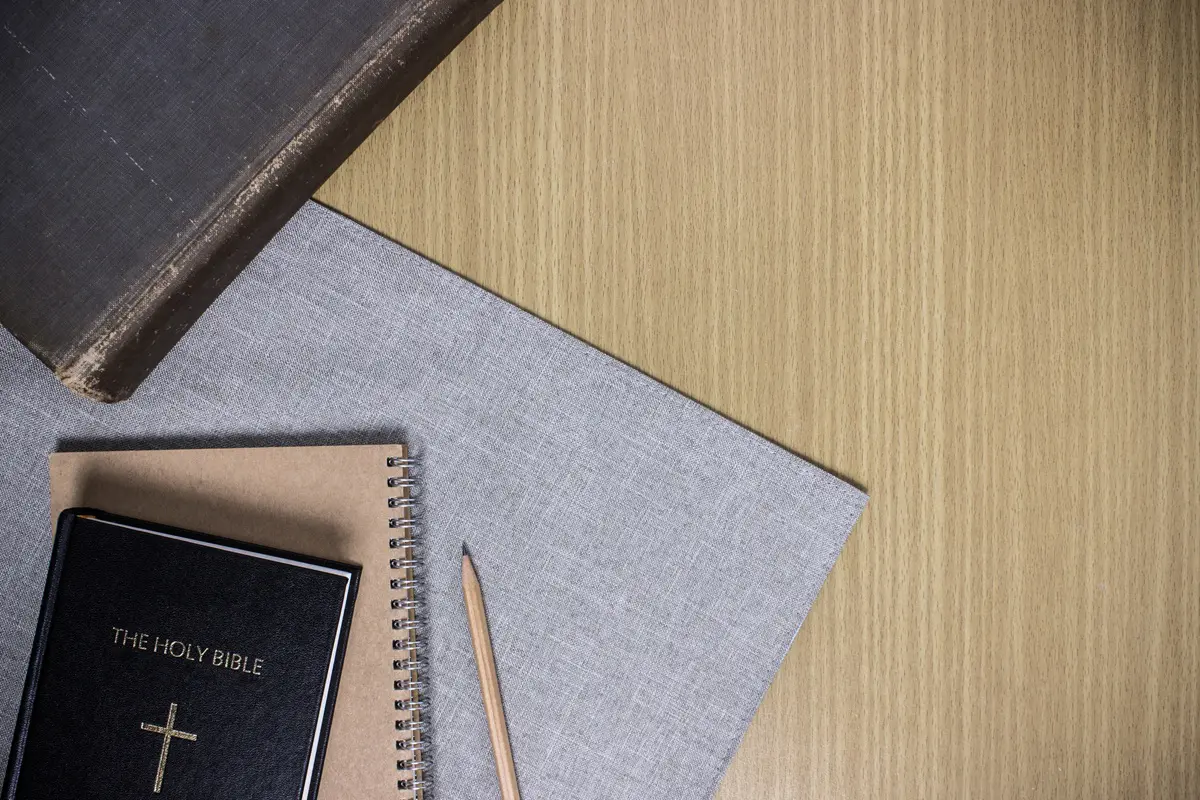
An important tool may also include a notebook or journal and a pencil for keeping notes on what God taught you. It allows you to keep a record of the things He has revealed or questions you may have. You may want to answer questions like: What did I learn about the character of God in this passage? What does God want to teach me about Himself?

There are other ways that God can teach us, such as through our parents, our Sunday School teachers, and our pastor, who teaches from the Word of God. Also, we can read Bible devotions or other materials written by godly men and women.
Just as a rock detective keeps all his tools in a backpack, perhaps you would like a place to keep everything together. It may be a backpack to keep your Bible, notebook, and pencil together, or perhaps another type of bag. It can be a place where you keep everything together, like on a desk or on a table by your bed. It really doesn’t matter as long as you know where to find everything.
Just as a geologist uses a magnifying glass to study rocks and minerals, may you closely look into God’s Word and study it carefully. Ask God to help you understand what you are reading and how to apply it in your life. As you read and study the Bible, remember 2 Timothy 3:16–17,
All Scripture is inspired by God and profitable for teaching, for reproof, for correction, for training in righteousness; so that the man of God may be adequate, equipped for every good work.