
 Jack Hollander
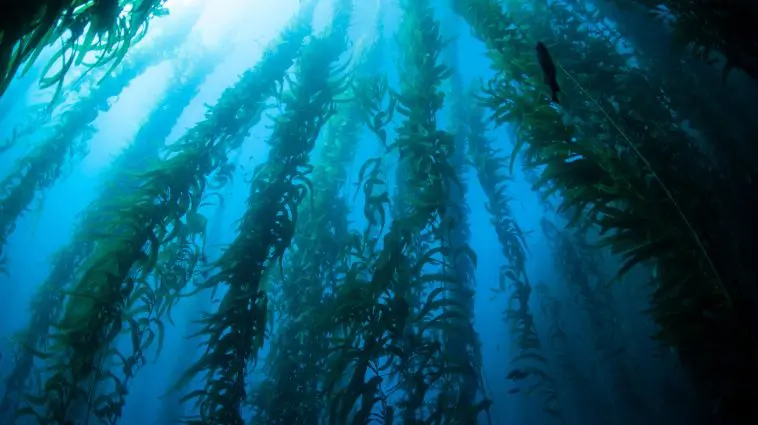
The Great Pacific Kelp Forest is a well known stretch of the Pacific Ocean, ranging along the continental shelf from south-central Alaska down to the central Baja peninsula. It varies from the widening shelf moving northward to the ever-increasing biodiversity moving south.
Marine biologists find much to research in this productive cold-water ecosystem that hosts a seemingly innumerable number of species, including many keystone species. A keystone species is any species or genera that has a massive impact on its ecosystem. Many times a keystone species will show the first signs of distress during an adaptation event. They may have dominating control over the local food chain or be an important food source for local predators. Research around these important keystone species reveals dire shifts within their ecosystem that can help researchers keep up with kelp forest health.
Some of the most significan animals of the kelp forest are demersal sharks. “Demersal” refers to creatures that live on or near the ocean floor. Many of these sharks are crustacean specialists, such as the Horn Shark, which has widened, clustered teeth perfect for crushing crabs, shrimp, and sea urchins. Unlike others sharks that must actively swim to move water over their gills, God equipped demersal sharks with gill pumps that allow them to maintain their oxygen levels while resting on the sandbed or rocky bottom.

Though there are nearly 40 species of sharks endemic to the North American kelp forest, three species stand out: the Leopard Shark, Swell Shark, and Horn Shark. These species fall into the hound shark, cat shark, and bullhead shark families. Each of them occupy the meso-predator niche, controlling the populations of foraging prey species while serving as a food source for top predators like pinnipeds and larger sharks. They also share mottled color patterns that allow these sharks to hide undetected amongst the kelp stalks lining the rocky bottom, while showcasing beautiful and artistic design.
The Smooth Hound shark genera are more active than many other groups of ground sharks. Though they cruise the bottom and rest comfortably on the seafloor, they are very likely to be found weaving amongst the kelp searching for prey. While their diet consists of mostly crustaceans, Leopard sharks are known to target smaller schooling fish like Señorita Wrasses and Pacific Anchovies.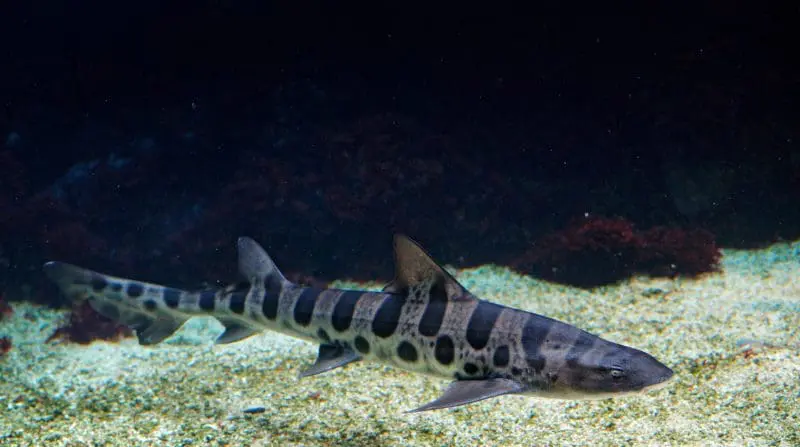
Leopard Sharks are one of the most recognizable shark species with their iconic saddle patches and slender shape. God provided this shark with two specialized adaptation that allow them to thrive in an estruary environment where other sharks cannot survive. First, unlike most North Pacific sharks, which are sensitive to hyposaline conditions, Leopard sharks can tolerate the lower salinity of the areas affected by the fresh water flowing into the ocean’s edge. Then, they are equipped with a high concentration of red blood cells, which helps them tolerate the low oxygen of the swampy water.
Swell Sharks are one of the largest members of the cat shark family. They have many strange yet useful abilities, starting with the one for which they are named: like Pufferfish, they have the ability to inflate their bodies with water and “swell” to a size large enough to render swallowing them almost impossible.

Not only this, like their Atlantic counterpart, the Chain Cat Shark, Swell Sharks exhibit extraordinary levels of biofluorescence. Swell Sharks live in a somewhat dark environment caused by the dense foliage of the kelp understory and the heavy fog so common in their region. Biofluorescence helps these sharks recognize other individuals of their same species even underneath the darkened kelp forest canopy.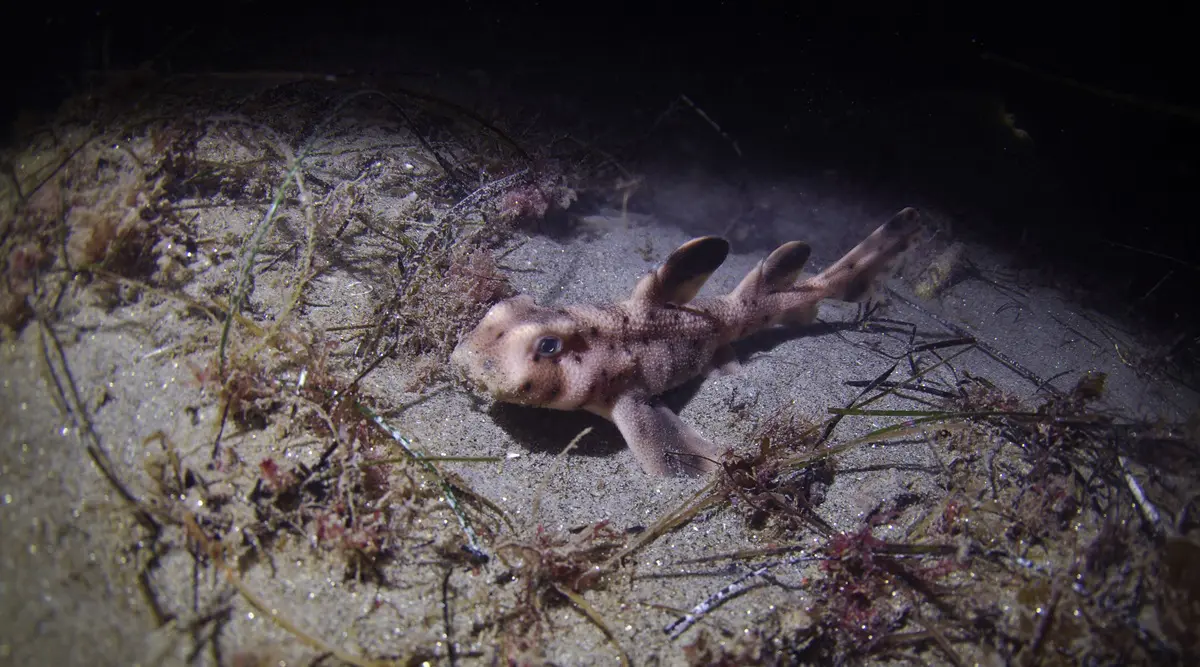
Horn Sharks and their fellow Bullhead Sharks are among only a few genera of venomous sharks. They host three spines, one on the base of each dorsal fin and one on their anal fin. Their venom comes from a rudimentary venom gland rather than a controlled muscle-contracting gland like in snakes. It’s thought that these spines, or “horns,” are used as a defense from above while the shark takes its place on the ocean floor. Should their spotted and sandy-colored camouflage fail them, their venomous spines serve as a unique and efficient defense unique to them.
Come see demersal sharks in action at the Wonders Center & Science Museum in the Wonders of the Sea aquariums. Watch their behavior and learn. Plan your visit to the Nashville area today! WondersCenter.org and like us on Facebook. Jack would love to meet you in person. If you live in Middle Tennessee, are passionate about marine biology, and looking for an internship opportunity, contact manager@davidrives.com